

موقع صوري
My Funny Pictures & News - Jokes
هو موقع صور وأخبار مضحكة .. ويضم نكت وطرائف واحدث الاخبار و الصور الغريبة والطريفه والمفيدة
الأحد، 27 أكتوبر 2013


السبت، 26 أكتوبر 2013



الجمعة، 25 أكتوبر 2013

الخميس، 24 أكتوبر 2013


صور أفغانستان قبل الحرب
.
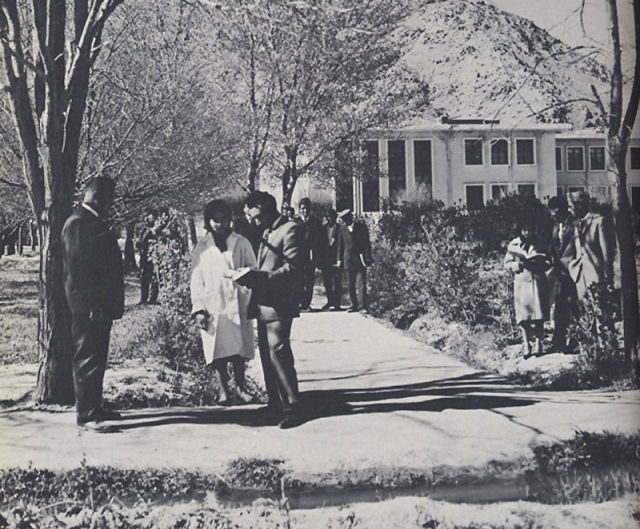
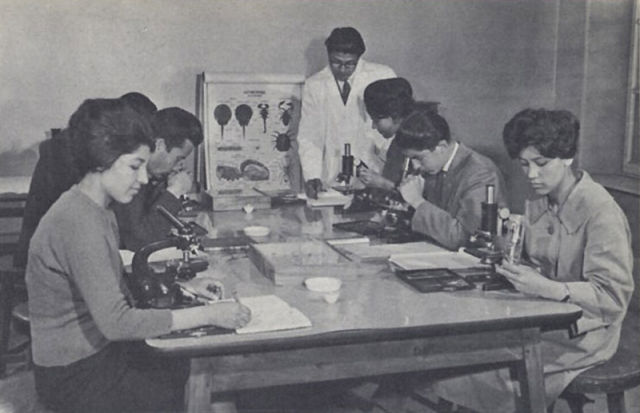
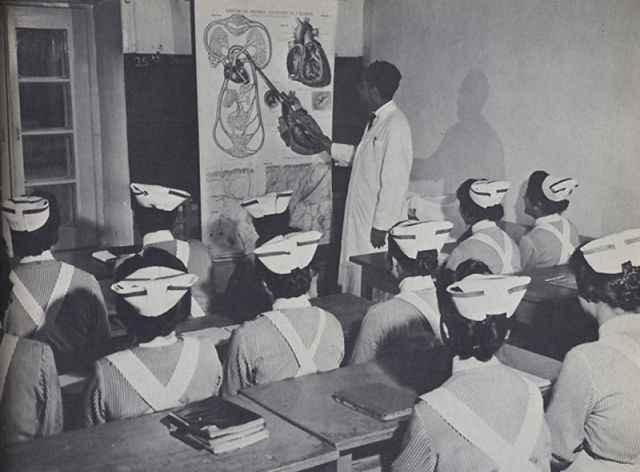
"Biology class, Kabul University."
In the 1950s and '60s, women were able to pursue professional careers in fields such as medicine. Today, schools that educate women are a target for violence, even more so than five or six years ago.
In the 1950s and '60s, women were able to pursue professional careers in fields such as medicine. Today, schools that educate women are a target for violence, even more so than five or six years ago.
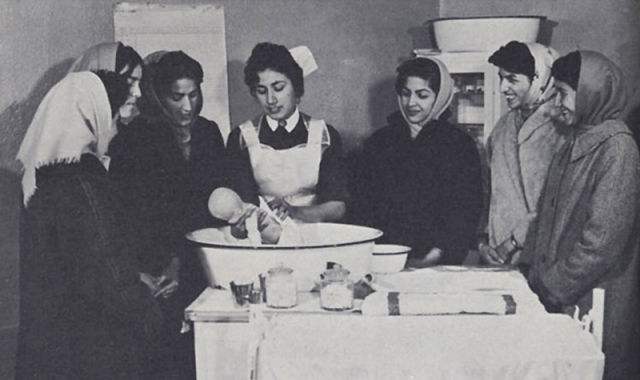
"Student nurses at Maternity Hospital, Kabul."
When I was growing up, education was valued and viewed as the great equalizer. If you went to school and achieved good grades, you'd have the chance to enter college, maybe study abroad, be part of the middle class, and enjoy a comfortable lifestyle. Education was a hallowed value. Today, I think people have become far more cynical. They do not see the link between education and a better life; they see instead that those who have accumulated wealth and power have not done so through legitimate means.
When I was growing up, education was valued and viewed as the great equalizer. If you went to school and achieved good grades, you'd have the chance to enter college, maybe study abroad, be part of the middle class, and enjoy a comfortable lifestyle. Education was a hallowed value. Today, I think people have become far more cynical. They do not see the link between education and a better life; they see instead that those who have accumulated wealth and power have not done so through legitimate means.
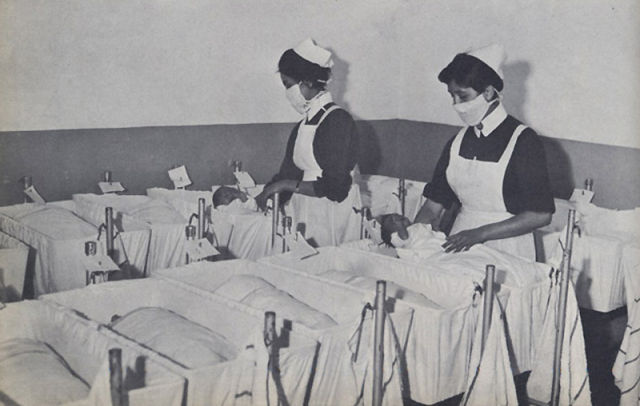
"Most hospitals give extensive post-natal care to young mothers."
This infant ward in a Kabul hospital in the 1960s contrasts sharply with one I visited in 2004 in Mazar-e-Sharif. There I found two babies born prematurely sharing the same incubator. That hospital, like many in Afghanistan today, did not have enough equipment.
This infant ward in a Kabul hospital in the 1960s contrasts sharply with one I visited in 2004 in Mazar-e-Sharif. There I found two babies born prematurely sharing the same incubator. That hospital, like many in Afghanistan today, did not have enough equipment.
"Infant ward at feeding time."
In the 1960s, about half of Afghanistan's people had access to some level of medical care; now a much smaller percentage do. Today's hospitals are crowded, the facilities limited; nearly one in four babies born in Afghanistan today does not reach its fifth birthday.
In the 1960s, about half of Afghanistan's people had access to some level of medical care; now a much smaller percentage do. Today's hospitals are crowded, the facilities limited; nearly one in four babies born in Afghanistan today does not reach its fifth birthday.
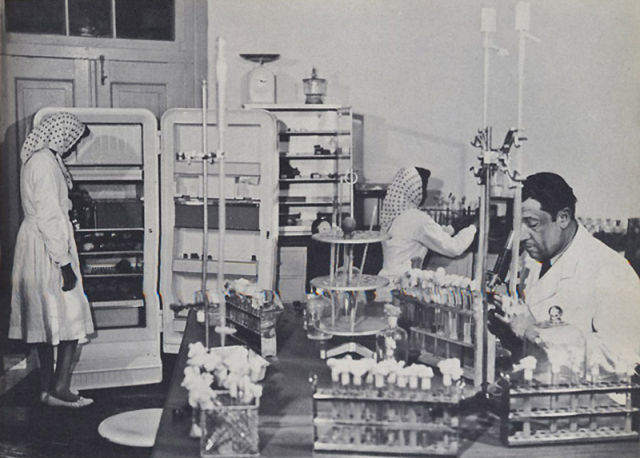
"A laboratory at the Vaccine Research Center."
Above is a vaccine research center attached to a Kabul hospital in the 1960s. Today, medical care across the country is limited by several factors, including lack of electricity. Less than 20 percent of Afghans have access to electricity; many homes are lit by kerosene lamps, with only fans running to combat the heat.
Above is a vaccine research center attached to a Kabul hospital in the 1960s. Today, medical care across the country is limited by several factors, including lack of electricity. Less than 20 percent of Afghans have access to electricity; many homes are lit by kerosene lamps, with only fans running to combat the heat.


الاشتراك في:
الرسائل (Atom)